
ihri@Schloss Dagstuhl – Leibniz-Zentrum für Informatik (LZI)

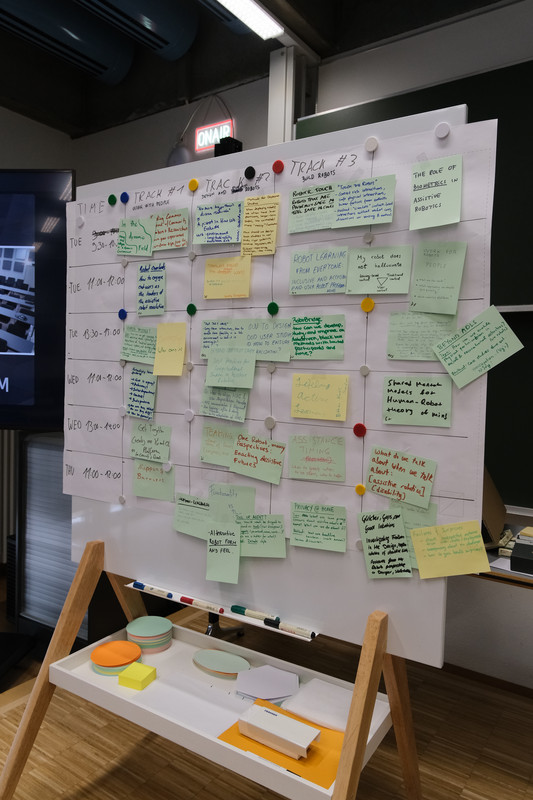
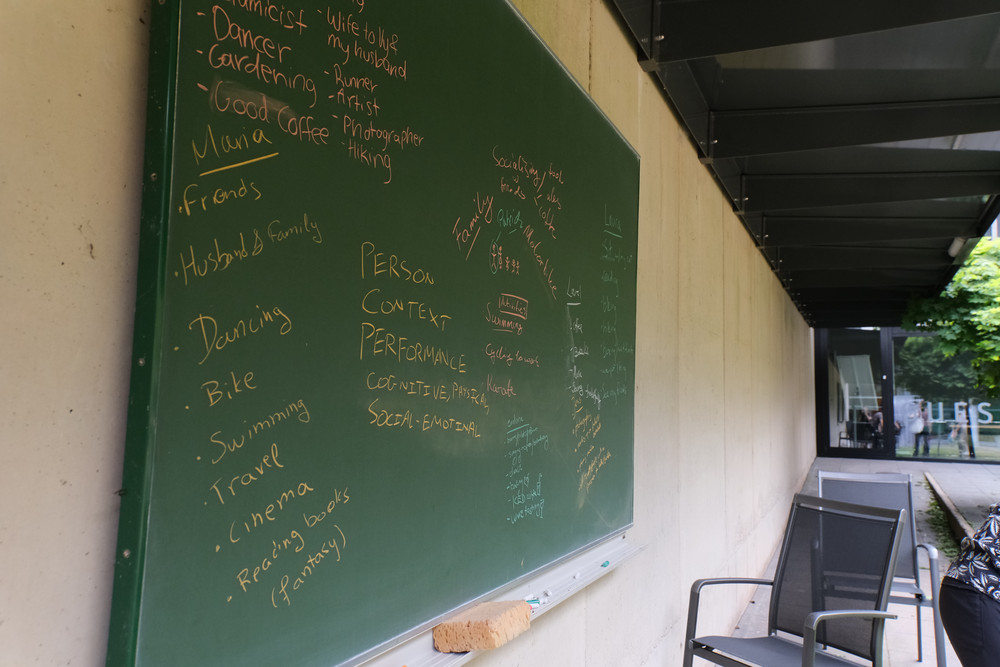
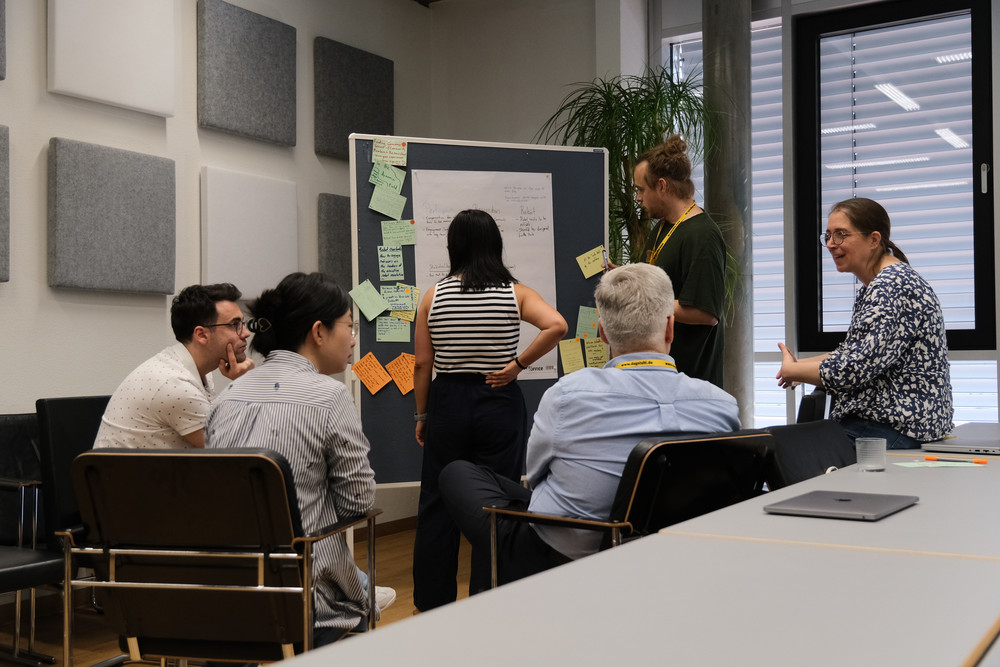
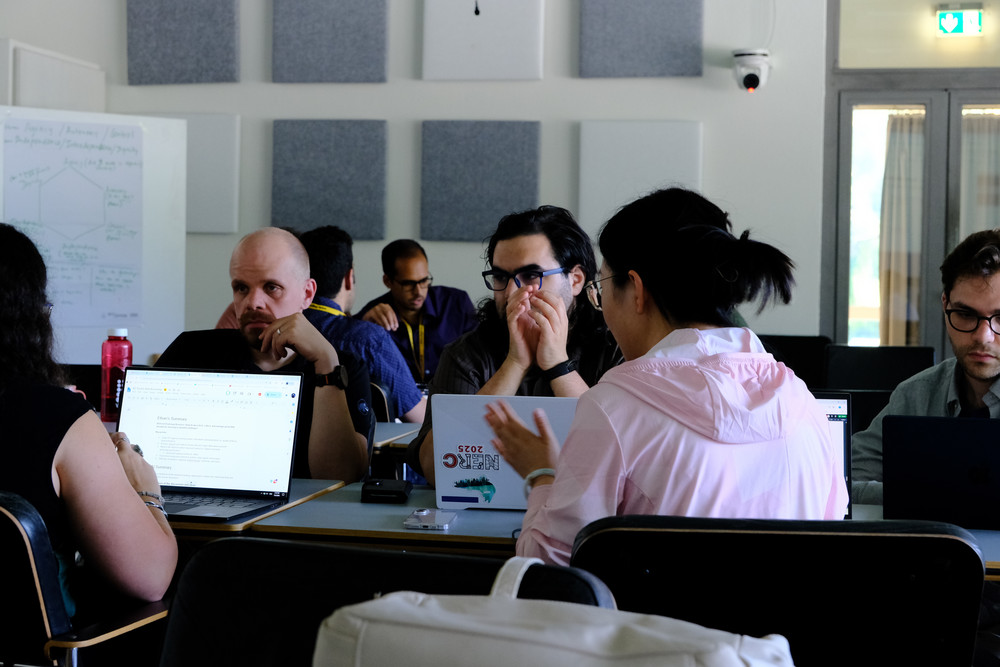
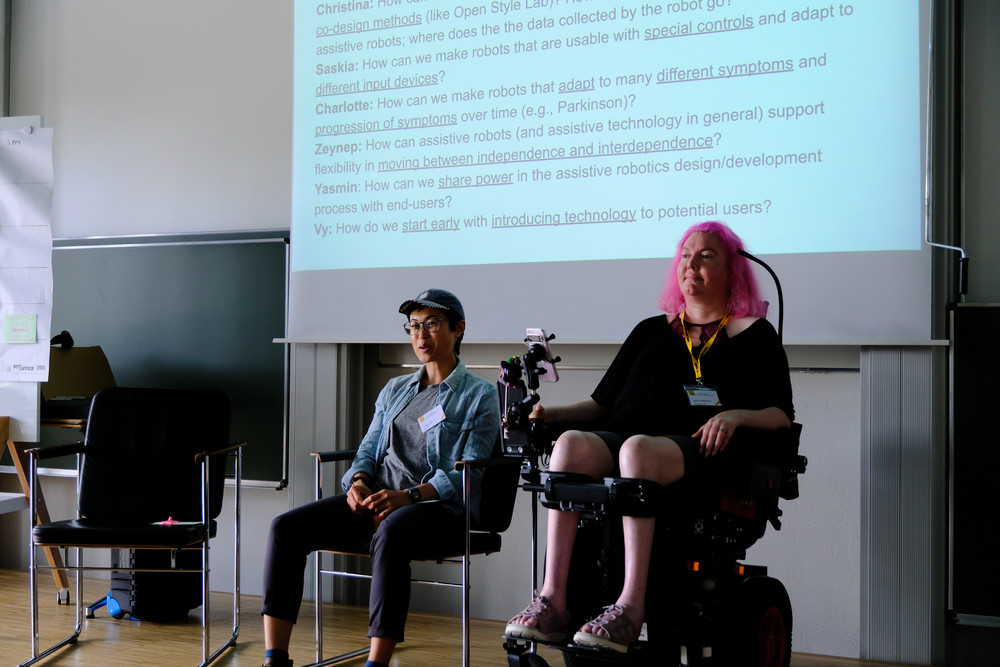
A diverse group of academic researchers, industry leaders, and stakeholders with lived experience of disability recently gathered at Schloss Dagstuhl to chart the future of domestic assistive robotics. To ensure broad and inclusive participation, organizers successfully integrated hybrid sessions, allowing remote community members to actively engage in the event's panels and spotlights. Instead of relying on a traditional conference schedule, the event utilized an interactive "Barcamp" method. Participants bravely pitched their own topics and filled the schedule dynamically on-site. This highly engaging format allowed the group to dive into the industry's most pressing issues organically.
Attendees focused their efforts across three main tracks: Working with People, Studying & Designing Robots, and Building Robust Systems. The dynamic discussions yielded several vital insights for the future of the field:
- Agency & Meaningful Interdependence: The group recognized that for intimate tasks (like eating or drinking), users often prioritize direct control and self-efficacy over raw robotic speed and full automation. Instead of designing technology to enforce an illusion of "independence," participants learned to design for meaningful interdependence, allowing users to choose exactly how they interact with their environment.
- Challenging the Humanoid Myth: Attendees moved past the superficial debate of mimicking the human form. Recognizing that disabled individuals are already experts at environmental modification, they concluded that the future of assistive robotics lies in pairing simpler, highly reliable, and easily repairable robots with smart environmental adaptations (like automated doors), rather than building overly complex, fragile humanoid robots.
- The Economics of Assistive Tech: The group collaborated and strategized on how to overcome the "chicken or egg" dilemma of high-cost, small-batch manufacturing by actively exploring innovative new funding and ownership models.
By far, the most valuable outcome of the week was the profound connections established between research, industry, and end-users. Participants actively dismantled the traditional boundaries between "developer" and "user," successfully addressing the mutual intimidation that often prevents genuine collaboration. Appreciation goes out to everyone who made this get-together such a massive success with a community-driven vision for the future of assistive robots!